Oysters Are Kind of Magic
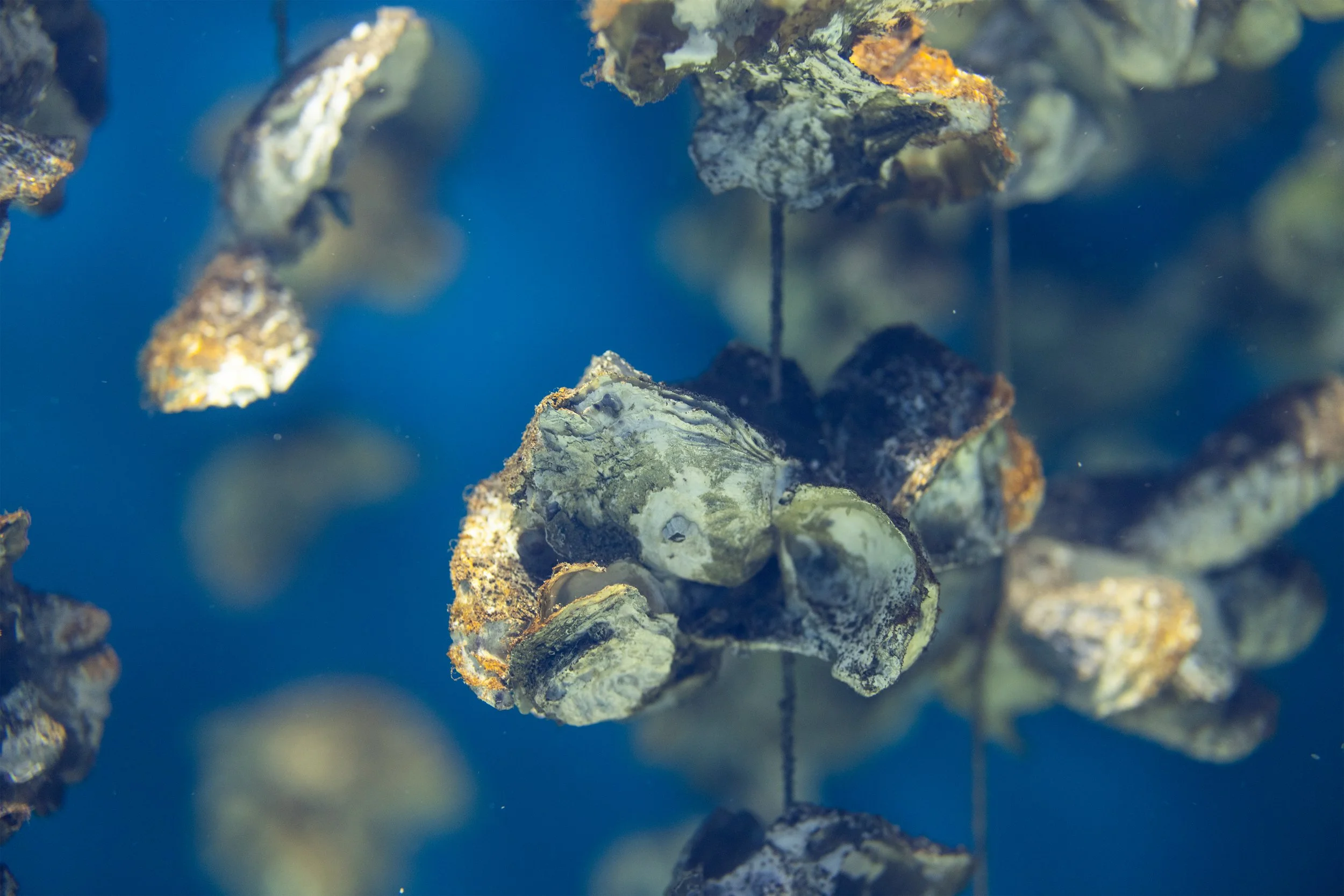
Why the Food We Love Also Helps the Water It Comes From
There’s something special about an oyster.
It is simple, but not ordinary.
Small, but full of story.
A little salty, a little briny, a little mysterious.
At The Curious Oyster, we love oysters for the obvious reasons: the flavor, the craft, the ritual, the way people gather around the bar and start asking questions.
But one of the best things about oysters is what they do before they ever make it to the plate.
They help take care of the water they come from.
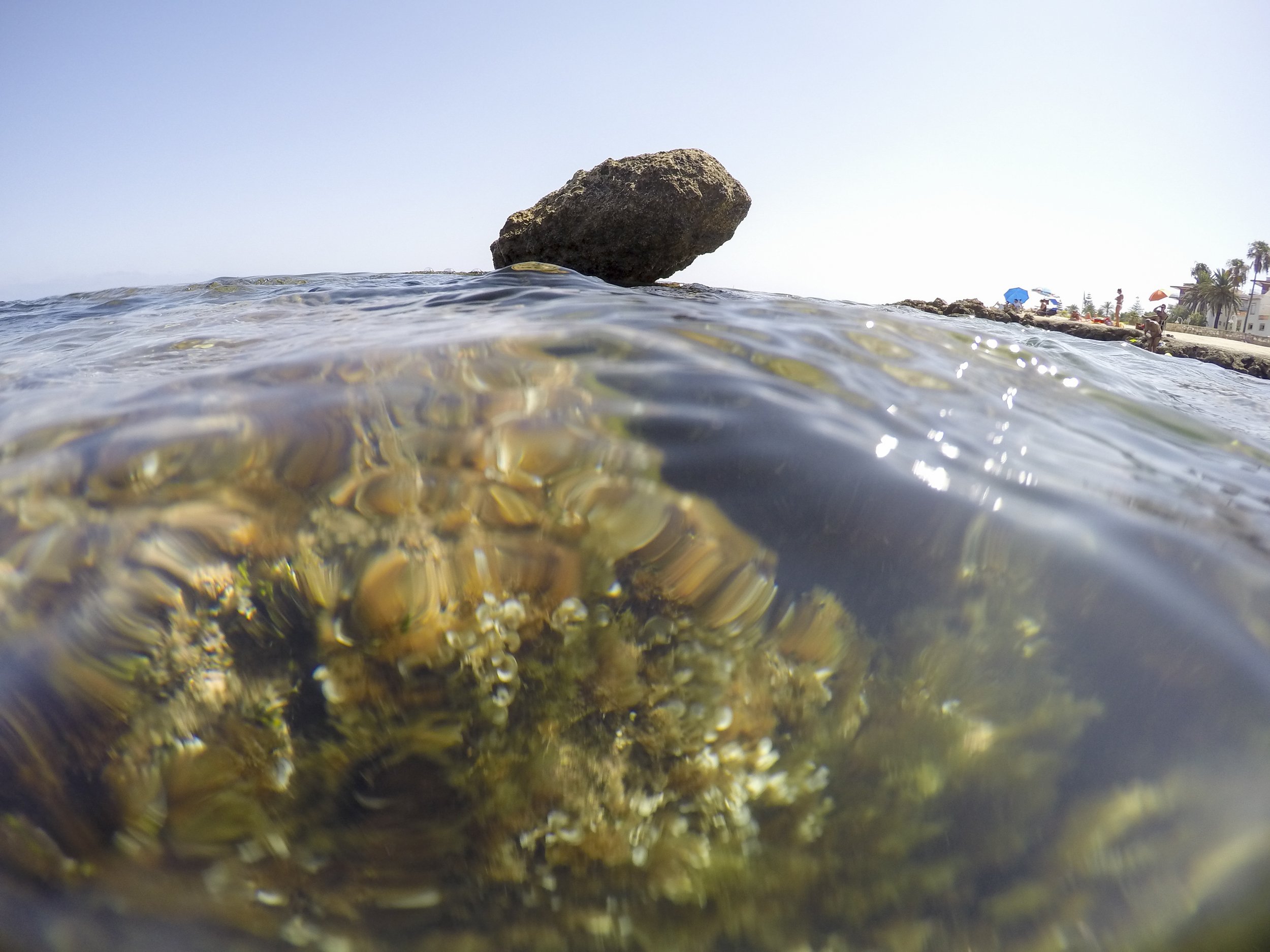
Oysters Are Natural Water Filters
Oysters are filter feeders, which means they pull water through their bodies, feed on tiny particles and algae, and release cleaner water back into the ecosystem.
Under the right conditions, a single oyster can filter up to 50 gallons of water in a day. That is not a marketing line. That is one of the reasons oysters are so important to healthy coastal environments. Cleaner water supports underwater grasses, juvenile fish, crabs, scallops, and other marine life.
So yes, oysters are delicious.
But they are also quietly working.
Oyster Reefs Create Homes
Oysters do not just live in the water, they build structure in it!
As oysters grow together, they create reefs. Those reefs become living neighborhoods for fish, crabs, shrimp, and all kinds of small marine life.
They also help stabilize shorelines and reduce erosion, which matters more and more for coastal communities. The Nature Conservancy describes oyster reefs as important for filtering water and stabilizing eroding coastlines, especially in places like Florida where reef restoration is a serious environmental priority.
In other words, an oyster reef is not just a pile of shells; an oyster reef is a habitat, it’s protection and it’s part of the coast’s natural infrastructure.
Farming Oysters Is Different
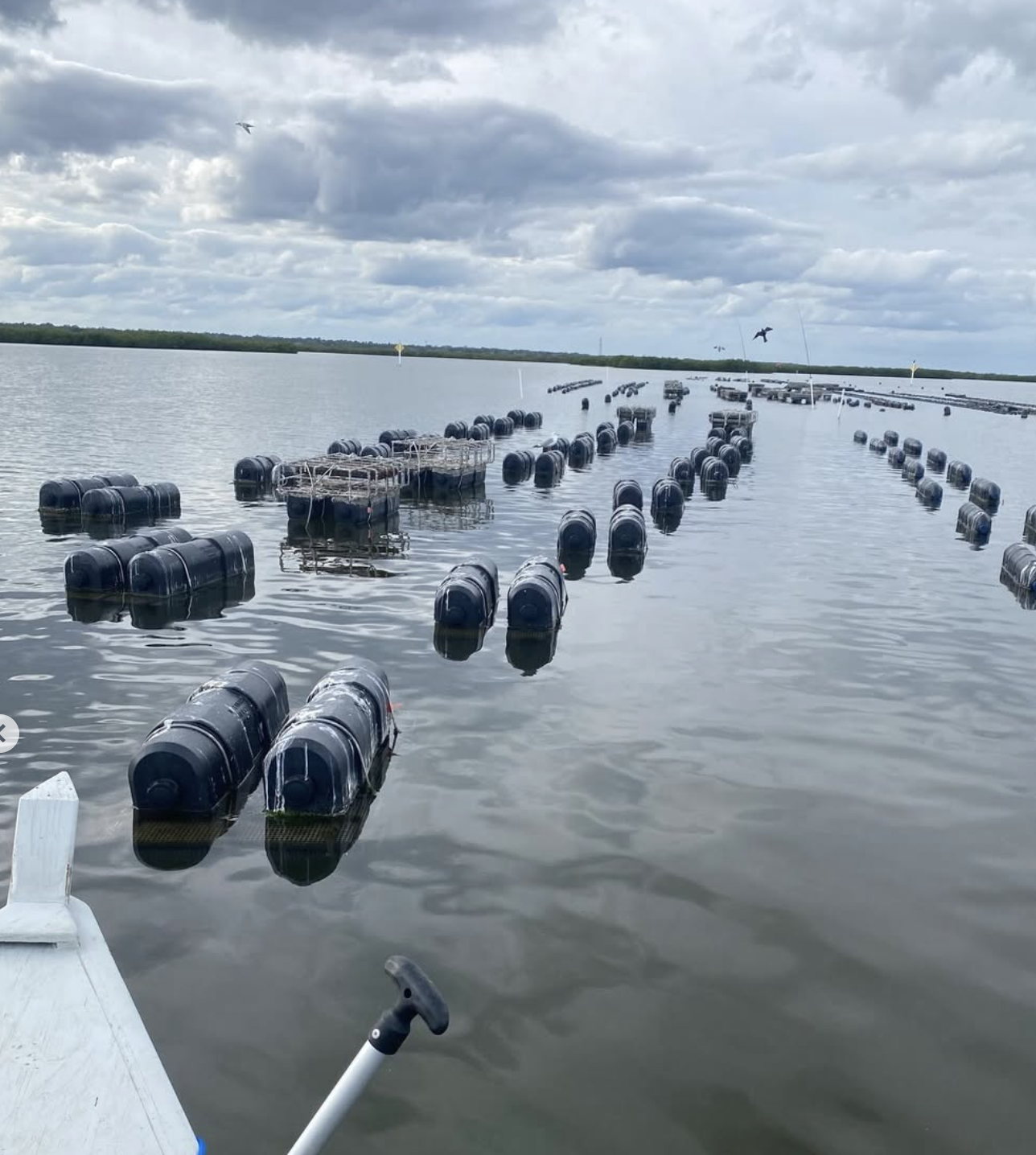
A lot of food production asks a lot from the planet, but Oysters are different! They don’t need freshwater irrigation, they don’t need feed and they definitely don’t need fertilizer.
They grow by feeding naturally from the water around them. That is part of what makes responsible oyster farming so unique. When done well, it can support local food systems while also contributing to cleaner water and healthier marine habitats.
That is a rare thing: food that can give back.
The Shell Still Has a Job
Once the oyster is enjoyed, the shell still matters.
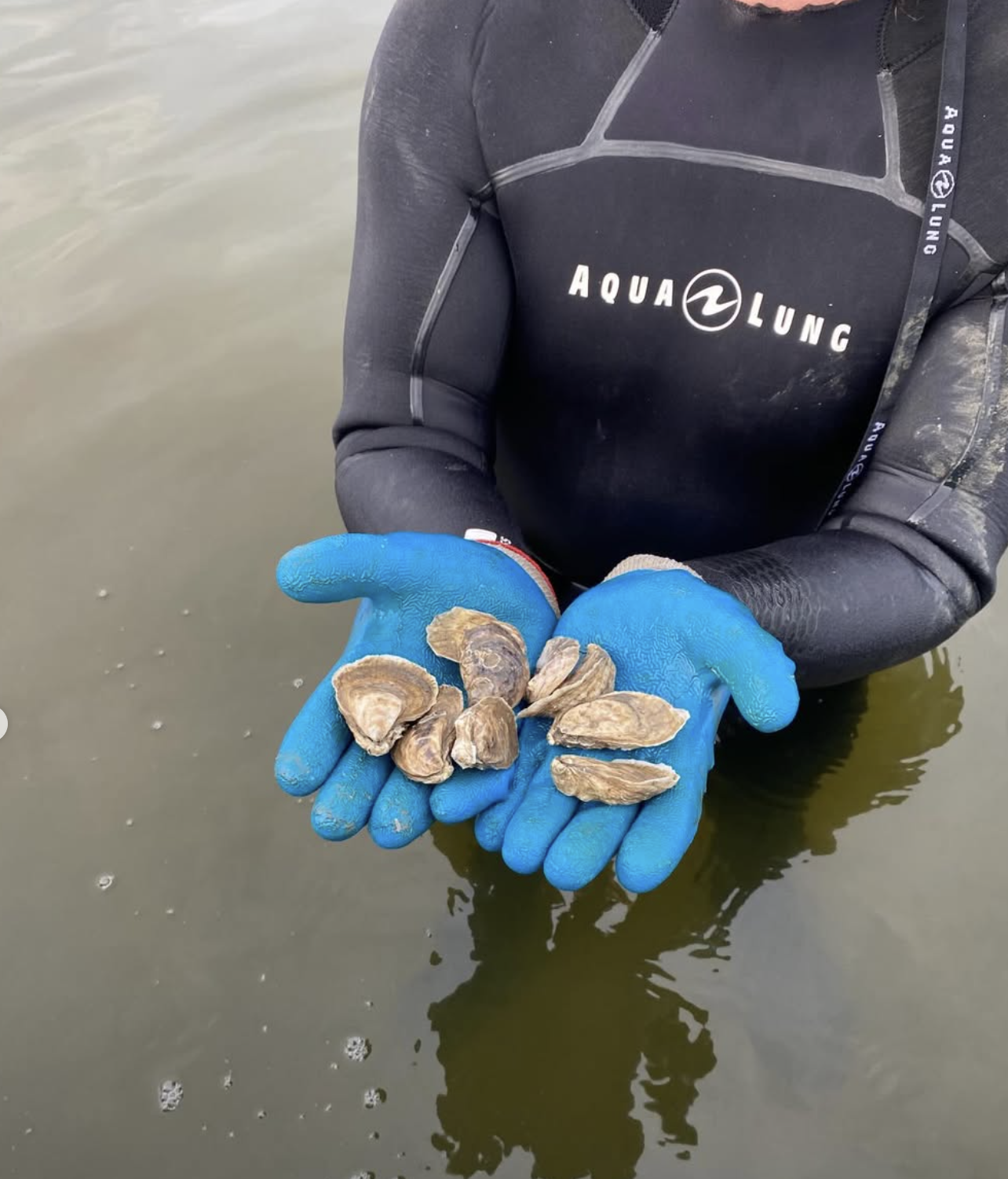
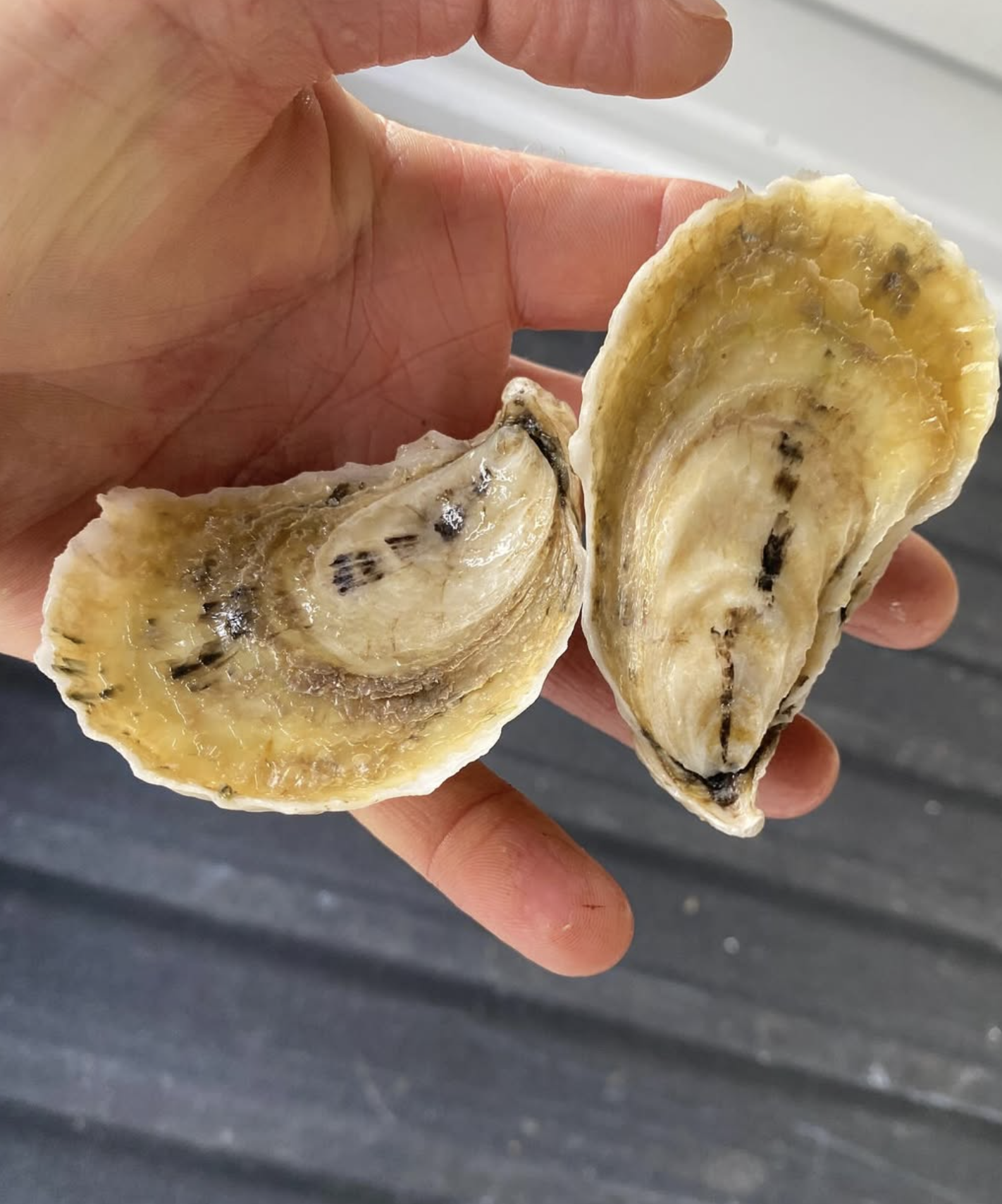
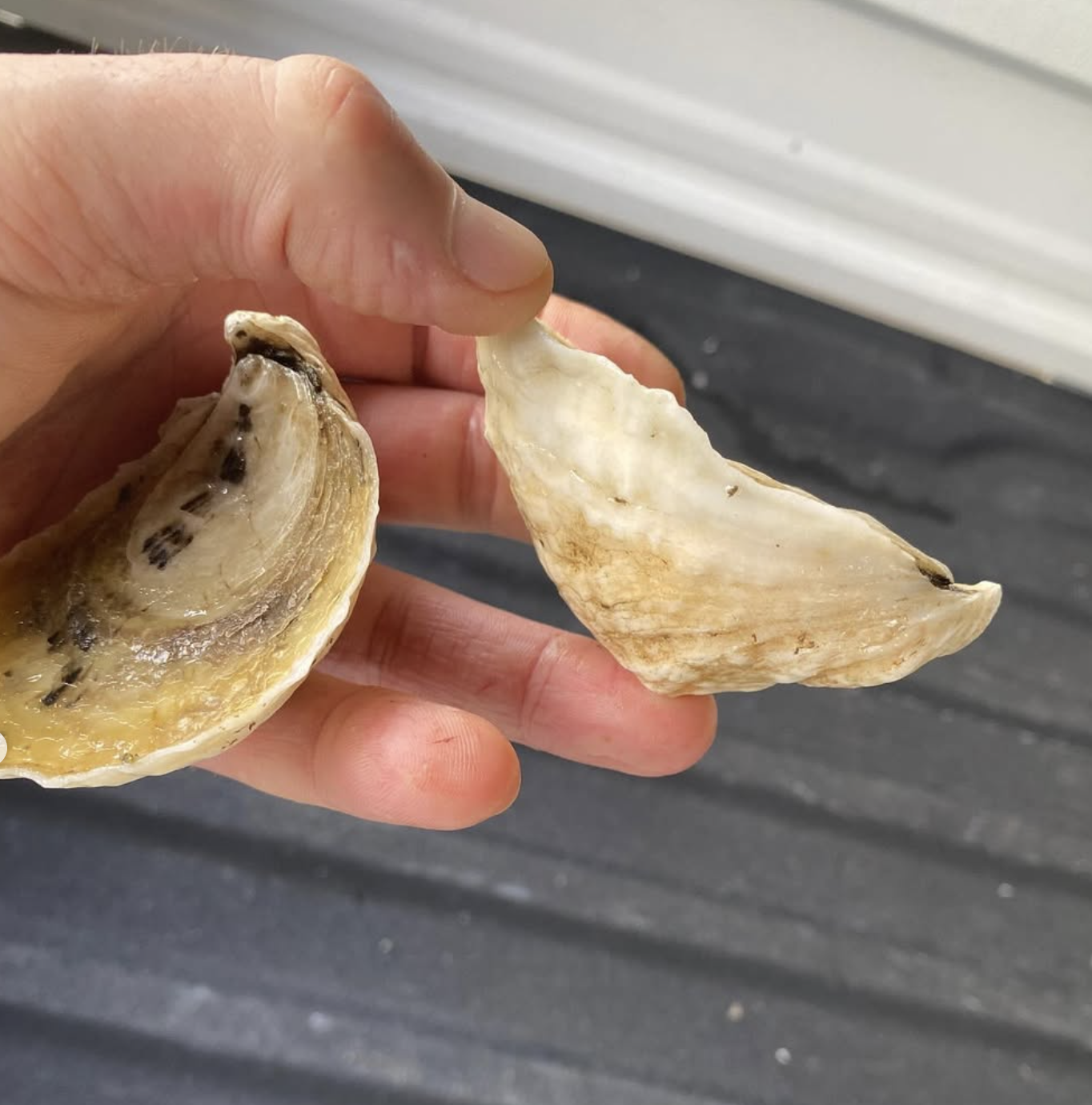
Baby oysters, called spat, need hard surfaces to attach to as they grow. Recycled oyster shells can help create the foundation for new reefs. Shell recycling programs use discarded shells to rebuild oyster habitat and support future oyster populations.
That full-circle idea is one of our favorite parts of the oyster story.
The oyster is grown, harvested, shared and the shell can return to the water to help the next generation grow!
The “R Month” Rule Has Changed
You may have heard the old rule that you should only eat oysters in months with the letter “R.”
That rule came from a time before modern refrigeration, consistent cold storage, aquaculture, and stronger regulation. It also had to do with wild oyster spawning seasons and food safety concerns during warmer months.
Today, responsibly farmed oysters are monitored, regulated, refrigerated, and handled with far more care. Many farms test water conditions regularly, and harvesting may pause after heavy rain or runoff concerns. That is why oysters can be enjoyed safely year-round when they are sourced and handled properly.
The better rule today is not about the “R Months”, but about Refrigeration, Regulation, and Responsible sourcing!
Why We Care
For us, oysters are not just a menu item.
They are a connection point. They connect people to the coast, to the farmer, to the chef, to the moment, and to the larger ecosystem that made that bite possible.
When you enjoy oysters from responsible farms and thoughtful vendors, you are supporting more than a good plate of food.
You are supporting cleaner water, coastal habitats and a food system that can work with nature instead of against it.
We think that’s pretty special.

Curious by Nature
The Curious Oyster exists because oysters invite curiosity.
People ask where they come from, how they taste, how they feel, how they are shucked, why some are sweet or why some are briny, etc.
We LOVE those questions.
Because the more you learn about oysters, the more there is to appreciate!
They are not just something to eat; they are something to understand.